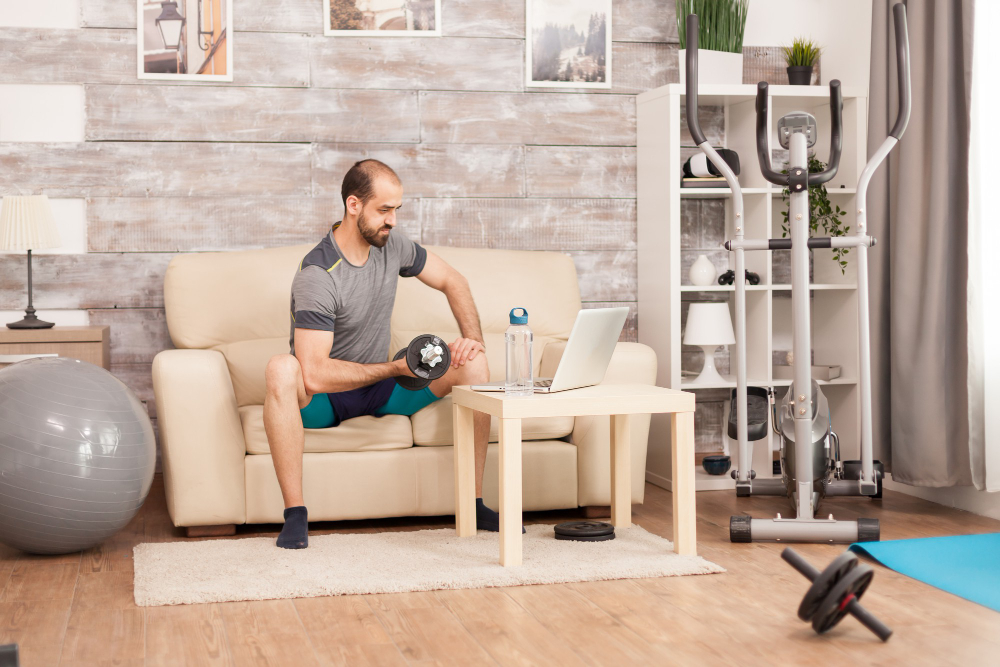

สายฟิตเนสต้องมามุง เพราะบทความนี้เรามีไอเดียการออกแบบและทำฟิตเนสในบ้านด้วยตัวเองมาฝากกัน ใครที่สนใจต้องห้ามพลาดเลย เพราะวิธีและไอเดียที่เรานำมาฝากกันนี้เป็นไอเดียง่ายๆ ใครๆ ก็ทำตามได้ ซึ่งไอเดียการออกแบบและทำฟิตเนสในบ้านด้วยตัวเองที่เรานำมาฝากจะมีอะไรบ้างนั้น ตามมาดูพร้อมๆ กันเลย
Read More
การจัดงาน Event ต่าง ๆ จำเป็นต้องใช้งบประมาณค่อนข้างสูง การให้ร้านรับจัดลูกโป่งพัทยาในการจัด Event นอกจากจะช่วยลดงบประมาณแล้ว ยังให้ความสวยงาม ดึงดูดสายตาผู้คนให้มาสนใจงานได้เป็นอย่างดี เพราะนอกจากสีสันและรูปแบบที่สามารถดัดแปลงให้เป็นไปตาม Concept ของงานได้ ยังสามารถสื่อสารภาพลักษณ์ของงานได้อีกด้วย ซึ่งแต่ละ Event ก็มีรูปแบบการจัดลูกโป่งที่แตกต่างกันออกไปตามลักษณะของงาน ควรให้ร้านรับจัดลูกโป่งพัทยาจัดลูกโป่งแบบใดจึงจะเหมาะกับรูปแบบงาน Event ของเรา รูปแบบของงาน Event นั้นมีหลากหลายมาก นอกจากเป็นงานเลี้ยงสังสรรค์ทั่วไปแล้ว ยังมีงานเปิดร้านใหม่ งานขอบคุณลูกค้า หรืองานสัมมนา ฯลฯ ก็มีความต้องการรูปแบบการตกแต่งลูกโป่งที่แตกต่างกันไป ซึ่งวิธีการเลือกรูปแบบการจัดลูกโป่งให้เหมาะกับแต่ละ Event มีดังนี้ งานแต่งงาน งานหมั้น งานวันเกิด เป็นอีกหนึ่ง Event ที่คนนิยมใช้ลูกโป่งในการจัดงาน ซึ่งส่วนใหญ่ลักษณะของลูกโป่งที่ใช้จะเป็นโทนสีชมพู สีขาว หรือสีพาสเทล ซึ่งจะช่วยเพิ่มบรรยากาศงานให้อบอวลไปด้วยความรักและความยินดี อาจจะมีการสอดแทรกลูกโป่งตัวหนังสือเพื่อเพิ่มความโดดเด่นให้กับงาน และยังช่วยให้งานดูผ่อนคลายและเป็นกันเองมากยิ่งขึ้น สามารถจัด เป็น Backdrop สวย ๆ ไว้สำหรับถ่ายรูป หรือตกแต่งไว้รอบ ๆ งานก็เพิ่มความน่ารักไปอีกแบบ งานเปิดร้านใหม่ งานเปิดร้านใหม่ไม่ว่าจะเป็นร้านอาหาร […]
Read More
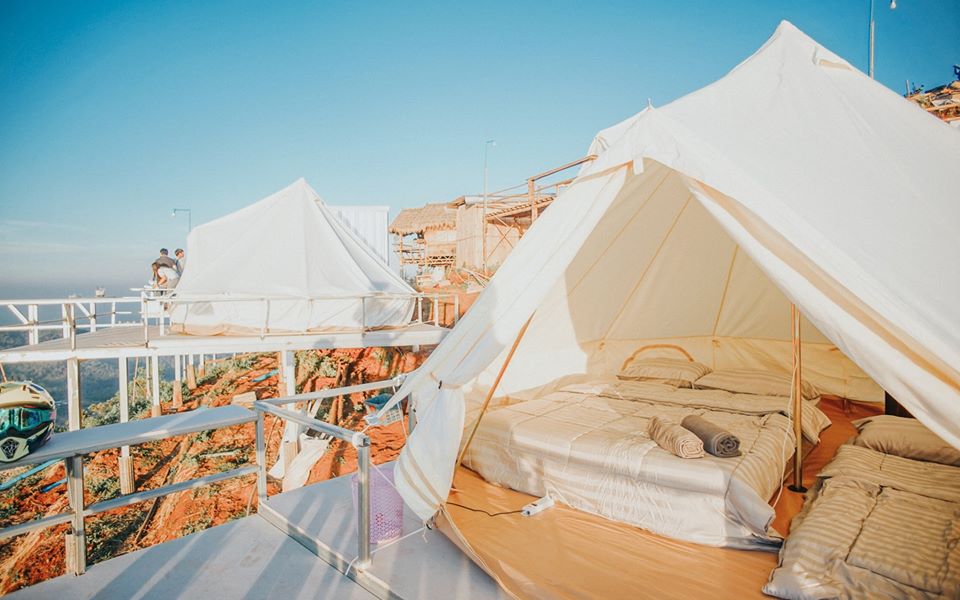
ด้วยการท่องเที่ยวแบบใกล้ชิดกับธรรมชาติกำลังเป็นที่นิยมและมาแรงมากๆ ในช่วงหลังมานี้ ทำให้การท่องเที่ยวแบบแคมป์ปิ้งเป็นที่จับตามองในระดับหนึ่ง แต่เพื่อตอบสนองความต้องการของนักท่องเที่ยวที่มีอยู่มากมายจึงเกิดรูปแบบการท่องเที่ยวรูปแบบใหม่ขึ้นมาเพื่อรองรับความต้องการของนักท่องเที่ยวที่มีความต้องการท่องเที่ยวแบบแคมป์ปิ้งแต่ไม่มีเวลาและไม่อยากยุ่งยากเหมือนกับการไปแคมป์ปิ้งจริง ๆ นั่นก็คือการท่องเที่ยวแบบแกลมปิ้ง (Glamping) นั่นเอง ความต้องการเที่ยวแบบแกลมปิ้ง (Glamping) ที่เพิ่มมากขึ้น ความต้องการของนักท่องเที่ยวที่อยากพักผ่อนแบบใกล้ชิดกับธรรมชาติในสไตล์ แกลมปิ้ง (Glamping) ที่ดูทีท่าว่าจะเพิ่มขึ้นเรื่อยๆ นอกจากจะมาจากเทรนด์การท่องเที่ยวแบบแคมป์ปิ้งที่ใกล้ชิดธรรมชาติและรูปแบบที่น่าสนใจแล้ว เพราะความสะดวกสบายของการท่องเที่ยวแบบแกลมปิ้งเองก็ช่วยสนับสนุนด้วย เพราะการที่ได้นอนในเต็นท์รีสอร์ตขนาดใหญ่ได้รับความสะดวกสบายเต็มที่พร้อมได้รับบรรยากาศใกล้ชิดกับธรรมชาติก็เป็นตัวชูโรงให้การท่องเที่ยวแกลมปิ้งนี้เป็นที่ต้องการเพิ่มมากขึ้น เต็นท์รีสอร์ตกับการโอกาสต่อยอดธุรกิจท่องเที่ยว 1.ระยะเวลาในการก่อสร้างและงบประมาณที่น้อยกว่า การสร้างเต็นท์รีสอร์ตใช้เวลาและเงินทุนในการทำที่น้อยกว่าการสร้างอาคารหรือห้องชุดใหม่ๆ ทำให้สามารถเชิญชวนนักท่องเที่ยวเข้ามาพักในเต็นท์รีสอร์ตได้เร็วมากขึ้น จึงเป็นผลดีของผู้ประกอบการที่จะได้เงินทุนและผลกำไรที่เร็วมากขึ้น 2.อยู่ในช่วงเริ่มต้นคู่แข่งทางธุรกิจน้อย เพราะมีหลายๆ พื้นที่ยังไม่มีเต็นท์รีสอร์ตไว้ให้บริการมากนักถึงแม้สภาพแวดล้อมสถานที่ท่องเที่ยวจะมีศักยภาพที่เพียงพอ ดังนั้นธุรกิจนี้ยังไม่มีคนลงทุนที่มากทำให้คู่แข่งทางการตลาดยังน้อยอยู่ ส่วนแบ่งการตลาดจึงยังมีมากจึงส่งผลดีต่อผู้ประกอบการ 3.ความต้องการของลูกค้าที่เพิ่มมากขึ้น อย่างที่ทราบกันดีว่าความต้องการของลูกค้าที่มีต่อการท่องเที่ยวแบบแกลมปิ้ง (Glamping) นั้นยังมีเพิ่มขึ้นอย่างต่อเนื่อง เมื่อมีความต้องการเยอะและเพิ่มขึ้นจึงเป็นผดีต่อผู้ประกอบการด้วยเช่นกัน ข้อจำกัดต่างๆ ของเต็นท์รีสอร์ต 1.ใช้พื้นที่ในการติดตั้งค่อนข้างมาก ด้วยขนาดที่มีค่อนข้างใหญ่จึงจำเป็นต้องใช้บริเวณที่กว้างเพื่อให้ติดตั้งตัวเต็นท์ลงไปได้ และตำแหน่งที่ตั้งของเต็นท์ต้องอยู่ในองศาที่ดีสามารถมองเห็นวิวทิวทัศน์ได้อย่างเหมาะสม ดังนั้นก่อนที่จะมีการติดตั้งตัวเต็นท์ในบริเวณต่างๆ จึงจะต้องผ่านการคิดและวิเคราะห์อย่างถี่ถ้วนเพื่อให้ได้มุมที่ดีที่สุด 2.ไม่สามารถย้ายพื้นที่ที่ติดตั้งเต็นท์รีสอร์ตได้ในทันที การเคลื่อนย้ายและจัดเก็บเต็นท์รีสอร์ตที่มีขนาดใหญ่และวิธีติดตั้งโดยเฉพาะที่มีระบบต่างๆ อยู่ในตัวเต็นท์ด้วย ทำให้การจะเคลื่อนย้ายตำแหน่งในแต่ละครั้งอาจจะต้องใช้เวลา ไม่สามารถเคลื่อนย้ายและจัดเก็บได้รวดเร็วเหมือนกับเต็นท์เดินป่าขนาดเล็กที่ใช้ในการท่องเที่ยวแบบแคมป์ปิ้งได้ 3.การบำรุงรักษาต้องมีความรู้ เพราะเป็นเต็นท์ขนาดใหญ่มีลักษณะเฉพาะดังนั้นต้องมีความรู้ในการบำรุงและการจัดเก็บอย่างดี โดยส่วนใหญ่เต็นท์รีสอร์ตขนาดใหญ่แบบนี้มักมีการรับประกันและการให้คำปรึกษาจากร้านที่จัดจำหน่ายอย่างดี ดังนั้นก่อนการซื้อเต็นท์รีสอร์ตมาใช้ควรศึกษาร้านที่จะซื้อมาด้วยว่ามีบริการหลังการขายหรือสามารถให้ข้อแนะนำแก่เราได้ดีหรือไม่เป็นต้น
Read More
แอป shopify delivery เป็นแอปการจัดส่งสินค้าจากคำสั่งซื้อของลูกค้าโดยบริการผ่านพนักงานระดับมืออาชีพเพื่อให้การจัดส่งเป็นไปอย่างมีประสิทธิภาพโดยไม่ติดขัด ผู้ใช้งานสามารถใช้แอปนี้ได้ผ่านทางมือถือหรืออุปกรณ์อื่น ๆ ได้ ในบทความนี้จะมาให้รู้จักกับ shopify delivery มากยิ่งขึ้นว่าเกี่ยวข้องอย่างไรกับการจัดส่งสินค้า ว่าด้วยเรื่องของ shopify delivery shopify delivery เป็นการขนส่งผ่านแอปพลิเคชันซึ่งใช้งานง่าย สะดวกผ่านมือถือ เป็นระบบการทำงานที่สร้างความสะดวกสบายต่อพ่อค้าแม่ค้าออนไลน์ทุกคนที่ต้องการจัดส่งสินค้าให้กับลูกค้า การใช้งานของแอปนั้นจะสร้างรายการเกี่ยวกับคำสั่งซื้อ ปรับเส้นทางเพื่อให้มีความเหมาะสมต่อการจัดส่ง ระบุตำแหน่งที่ต้องจัดส่งซึ่งปรากฏภายในแผนที่ ไม่เพียงเท่านั้นผู้ใช้งานสามารถใช้ shopify delivery ในการอัปเดตสถานะของการสั่งซื้อแบบเรียลไทม์ได้อีกด้วย ก่อนการใช้แอป คุณจำเป็นต้องตั้งค่าของพื้นที่ภายในร้านค้าเสียก่อน เพื่อให้ใช้งานได้อย่างมีคุณภาพตามจุดประสงค์ นอกจากนี้ยังมีบริการจัดส่งในท้องถิ่นทั้งการจ้างรถเองหรือการขนส่งด้วยตนเองก็เชื่อม shopify delivery กับมือถือเพื่อเข้าถึงเส้นทางที่เหมาะต่อการขนส่ง shopify delivery มีขั้นตอนการทำงานและการสั่งซื้ออย่างไร สำหรับขั้นตอนการทำงานและการสั่งซื้อสินค้าของแอป shopify delivery นั้น จะสามารถกล่าวได้ดังต่อไปนี้ ยังไม่จัดการ เป็นการเริ่มต้นที่ยังไม่ได้เตรียมหรือจัดการคำสั่งซื้อ ขั้นต่อไปเป็นการเตรียมคำสั่งซื้อโดยเลือกแล้วบรรจุสินค้า สามารถบันทึกเกี่ยวกับการจัดส่งและส่งแนบกับคำสั่งซื้อได้ เพื่อให้เสร็จสิ้น ทำเครื่องหมาย พร้อมจัดส่ง พร้อมจัดส่ง เป็นการบรรจุสินค้า หลังทำเครื่องหมายจากคำสั่งซื้อให้กลายเป็นพร้อมจัดส่ง ให้เพิ่มคำสั่งซื้อไปที่รายการจัดส่ง ถ้ายังไม่ได้รับการจัดการก็ยังสามารถเพิ่มคำสั่งซื้อเข้าไปอีกได้ อยู่ในระหว่างของการจัดส่ง เป็นขั้นต้องจัดส่งตามคำสั่งซื้อที่กำหนด […]
Read More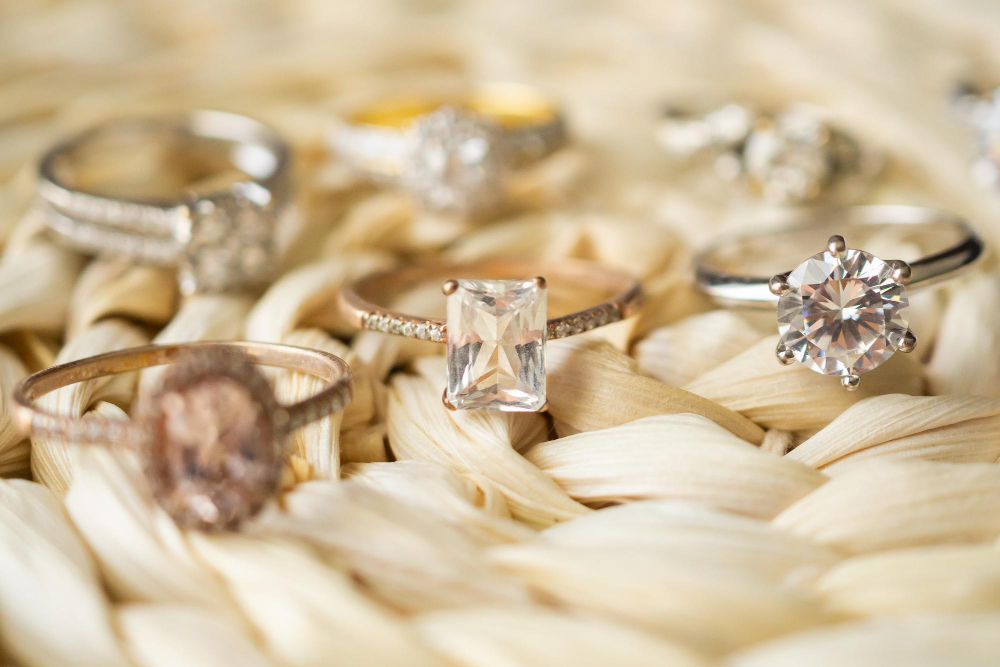
เมื่อพูดถึงอัญมณีที่มีคุณค่า ราคาสูงและยังมีคุณค่าทางด้านจิตใจด้วยก็คงจะเป็นอะไรไปไม่ได้นอกจาก เพชร มันเป็นอัญมณีที่หายากและหลายคนปรารถนาที่จะครอบครอง เมื่อมาอยู่ในเครื่องประดับ อย่างเช่น แหวนเพชรยิ่งเพิ่มมูลค่าขึ้นไปอีก เพชร 3 ตัง ราคาเท่าไหร่ เหมาะกับใคร ทำไมซื้อเพชรต้องมีใบเซอร์ เรามีคำตอบ เพชร 3 ตัง ราคาเริ่มต้นตั้งแต่หลักพันไปจนถึงหลักหมื่น ราคาประมาณ 5,000-20,000 บาท คำว่าตัง ในที่นี้คือหน่วยที่ใช้เรียกน้ำหนักของเพชร สำหรับแหวนเพชร 3 ตังเหมาะสำหรับคู่รักสายมินิมอล สามารถใช้เป็นแหวนหมั้นได้หรือจะใช้สวมใส่ในวันสบายๆ ไปเดินห้างก็เก๋ไปอีกแบบ นอกจากนั้นมันยังเหมาะกับคนที่เป็นมือใหม่ อยากสะสมเพชร คุณสามารถเริ่มต้นได้ด้วยการสะสมเพชรเม็ดเล็กๆ ก่อน เพื่อจะได้ศึกษาและทำความเข้าใจ เมื่อคุณเป็นผู้ชำนาญการเรื่องเพชรแล้วและมีงบประมาณเพียงพอสามารถขยับไปเป็นเพชรที่มีน้ำหนักเพิ่มขึ้นหรือผสมเพชรหลายๆ กะรัตได้ เก็บไว้เพื่อเก็งกำไร หรือเก็บไว้เป็นมรดกให้ลูกให้หลานก็ดี แล้วคุณเคยสงสัยไหมว่าทำไมแหวนเพชร 3 ตัง ที่มีน้ำหนักเท่ากันแต่ราคาไม่เท่ากัน เพชรบางเม็ดราคาถูก เพชรบางเม็ดมีราคาสูง นั่นก็เป็นเพราะว่าเพชรแต่ละเม็ดมีคุณภาพที่แตกต่างกันออกไปหรือราคาแพงหรือถูก ก็ขึ้นอยู่กับคุณภาพหรือเกรดของเพชรแต่ละเม็ด มีปัจจัยใดบ้างที่เป็นตัวกำหนดราคาของเพชร ปัจจัยหลักๆ ได้แก่ กะรัต สีหรือความบริสุทธิ์ของเพชร ตำหนิและการเจียระไนทั้ง 4 ปัจจัยนี้ก็คือหลักการ 4Cs ซึ่งคิดค้นโดยสถาบันอัญมณีศาสตร์ที่มีชื่อเสียงในระดับโลกและเป็นที่ยอมรับในระดับสากลนั่นก็คือสถาบัน […]
Read More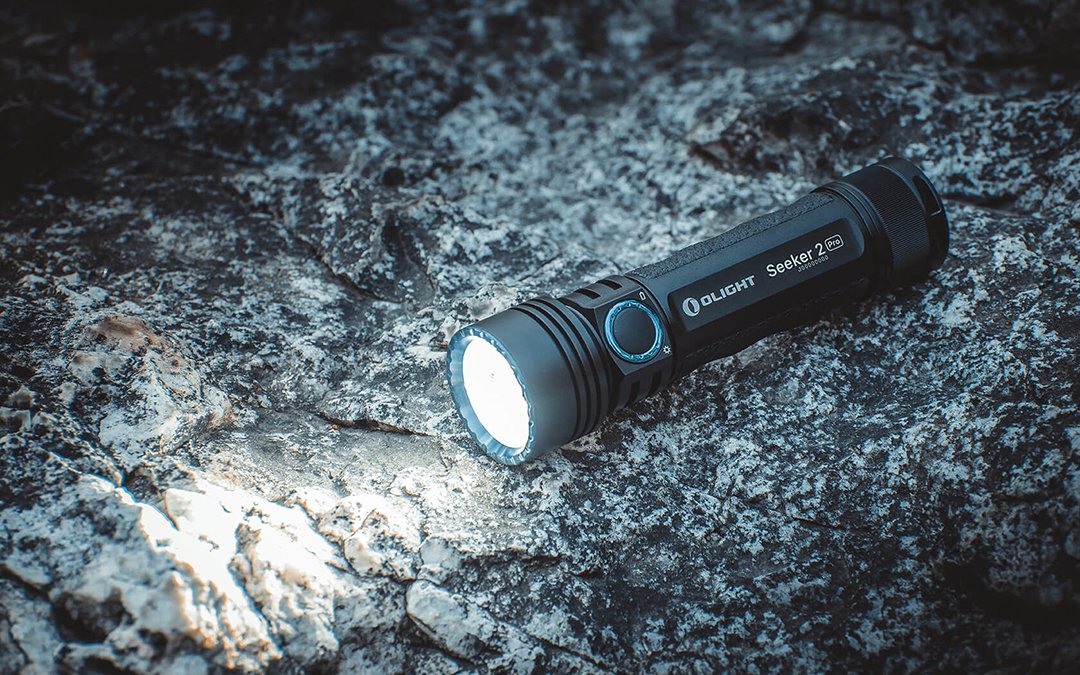
เมื่อพูดถึงไฟฉายหลายๆ คนคงบอกว่าเป็นเรื่องไกลตัว เป็นเรื่องที่ไม่น่าสนใจ ไม่น่าใคร่รู้ขนาดนั้น แต่คุณรู้หรือไม่ว่าไฟฉายนั้น มีความสำคัญถึงขนาดที่ว่าตำรวจในบางประเทศเน้นย้ำเสมอว่าให้ประชาชนพกไฟฉายนี้ติดตัว และติดรถอยู่เสมอและตลอดเวลา เพราะหากเกิดเหตุไม่คาดฝันขึ้นมาตอนกลางคืน เจ้าไฟฉายนี่แหละที่จะช่วยคุณได้ ทั้งในแง่ของการให้ความสว่าง และในแง่ของสิ่งของป้องกันตัว และบทความนี้เราเลยจะมาพูดถึงเรื่องของไฟฉายกัน ว่าการเลือกซื้อไฟฉายสักอันนั้น ต้องพิจารณาจากอะไรกันบ้าง ว่าแล้วก็อย่ามัวเสียเวลา เราไปหาคำตอบนั้นพร้อมๆ กันที่ด้านล่างของบทความนี้เลย สิ่งที่ต้องพิจารณาเมื่อเลือกซื้อไฟฉาย สิ่งที่ต้องพิจารณาเมื่อเลือกซื้อไฟฉาย มีทั้งหมด 3 ประการด้วยกัน นั่นก็คือ สิ่งที่ต้องพิจารณาเมื่อเลือกซื้อไฟฉาย อันดับแรก คือ ขนาดของไฟฉาย เพราะขนาดของไฟฉายจะมีสิ่งที่มาควบคู่เลย คือ น้ำหนัก นั่นเอง ยิ่งไฟฉายมีขนาดใหญ่ ก็จะมีน้ำหนักเพิ่มมากขึ้นด้วยเช่นกัน ฉะนั้นไฟฉายที่ดีควรจะมีน้ำหนักที่พอเหมาะ ไม่หนักจนเกินไปเพื่อให้สามารถพกหรือถือใช้งานได้นานนั่นเอง สิ่งที่ต้องพิจารณาเมื่อเลือกซื้อไฟฉาย อันดับสอง คือ ชนิดของไฟฉาย ไฟฉายแต่ละชนิดนั้นก็จะมีประเภทแตกต่างกันไป เช่น ไฟฉาย Ultrafire ไฟฉายเดินป่า หรืออื่นๆ อีกมากมาย ซึ่ง ความสว่างของไฟฉายแต่ละชนิดนั้นมีความแตกต่างกัน เพราะมีการใช้หลอดของไฟฉายที่ไม่เหมือนกัน ฉะนั้นการเลือกซื้อก็ต้องเลือกให้ตรงกับวัตถุประสงค์ของการใช้งาน สิ่งที่ต้องพิจารณาเมื่อเลือกซื้อไฟฉาย อันดับสาม คือ ราคา เพราะราคานั้นจะเป็นตัวบ่งชี้และแยกแยะ […]
Read More
อย่างที่เรารู้กันว่าตลาดสินค้าออนไลน์ของจีนนั้นมีอยู่มากมายและมีการขายกันไปทั่วโลก ทำให้ตลาดออนไลน์จีนนั้นมีการเติบโตเป็นอย่างมาก โดยหนึ่งในตลาดออนไลน์ของจีนที่น่าสนใจคือ AliExpress ซึ่ง AliExpress นั้นเป็นร้านค้าออนไลน์ที่มีสินค้ามากมายขนาดใหญ่ของจีนซึ่งมีทั้งในรูปแบบของเวปไซต์และเป็นแอพพลิเคชั่นด้วย ซึ่งเป็นตลาดออนไลน์ที่เปรียบเสมือนเป็นตัวกลางให้ผู้ซื้อและผู้ขายมาเจอกัน โดยในตลาดออนไลน์นี้ก็มีสินค้าให้เลือกซื้อเยอะแยะ หลากหลายหมวดหมู่ ที่สำคัญราคาสินค้าที่ขายใน AliExpress นั้นมีราคาที่ไม่แพงเลย สามารถจับต้องได้ โดยในที่นี้เราจะมาบอกถึงขั้นตอนและวิธีการในการซื้อสินค้าจาก AliExpress ผ่านแอพว่าควรทำยังไง ขั้นตอนในการซื้อสินค้าผ่าน AliExpress มาดูกันว่าขั้นตอนในการเลือกซื้อหรือสั่งซื้อสินค้าจาก AliExpress นั้นต้องทำยังไงบ้าง โดยเราจะมาอธิบายขั้นตอนของการสั่งซื้อผ่านแอพ AliExpress ดังต่อไปนี้ ก่อนอื่นต้องทำการดาวโหลดแอพ AliExpress มาก่อนซึ่งสามารถโหลดได้ทั้ง IOS และระบบ Android เมื่อเราทำการดาวน์โหลดแอพและติดตั้งเรียบร้อยแล้วก็ต้องทำการสมัครสมาชิกหรือการลงทะเบียนในการใช้แอพก่อน เมื่อเราสมัครการใช้งานแอพและยืนยันตัวตนเรียบร้อยแล้วจากนั้นถึงเวลา Shopping โดยในการเลือกสินค้านั้นเราต้องเลือกจากร้านที่ดูมีมาตรฐานดี มีคุณภาพดีซึ่งอาจจะดูได้จากคะแนนการรีวิวของลูกค้าที่เคยซื้อไป หากมีเวลาก็เข้าไปอ่านรีวิวแต่ละร้านและใช้วิจารณญาณเลือกว่าควรสั่งร้านไหน ซึ่งร้านก็จะมีรายละเอียดสินค้า ราคา ขนาด ต่าง ๆ ให้เราตัดสินใจ เมื่อได้สินค้าที่ต้องการแล้วก็กดชำระสินค้าซึ่งการชำระเงินก็จะเป็นการชำระผ่านบัตรต่าง ๆ โดยตัวแอพก็จะรองรับการชำระเงินหลายรูปแบบ แต่ก่อนที่เราจะทำการชำระเงินนั้นเราต้องกรอกที่อยู่ในการจัดส่งซึ่งคือที่อยู่ในไทยของเรา เมื่อกรอกแล้วเราต้องสังเกตุดูว่าค่าขนส่งจากจีนนั้นเท่าไหร่ ซึ่งบางร้านค่าขนส่งจากจีนก็ฟรี แต่บางร้านค่าขนส่งจากจีนก็สูงมากเช่นกัน ดังนั้นต้องพิจารณาดีดี เมื่อเราชำระเงินเรียบร้อยก็รอรับสินค้าที่บ้านได้เลย การสั่งซื้อสินค้าจากแอพ AliExpress นั้นสามารถทำได้ง่ายมาก […]
Read More
หากว่าเอ่ยถึงการมอบดอกไม้ให้เป็นของขวัญใครหลายๆ คน เชื่อได้เลยว่าดอกไม้ย่อมเป็นสิ่งของอันดับต้นๆ ที่บางคนอยากมอบให้กันอย่างมาก เนื่องจากว่าดอกไม้ที่สวยงามจะทำให้คนรับประทับใจและมีความสุขมากกว่าเดิม นอกจากนี้ดอกไม้ที่สดชื่น สวยงามและมีกลิ่นหอม จะช่วยให้คนรับอารมณ์ดี อีกทั้งยังเป็นการผ่อนคลายบรรยากาศที่ตึงเครียดอีกด้วย ดังนั้นจะดีกว่าหรือไม่หากว่าเรานั้นจะเลือกร้านดอกไม้ที่มีคุณภาพ ซึ่งมีหลักเกณฑ์ดังนี้ 1.มีดอกไม้ให้เลือกหลากหลาย เชื่อได้เลยว่าคงมีคนจำนวนไม่น้อยอยากให้ช่อดอกไม้ของเรานั้นประกอบไปด้วยดอกไม้หลายๆ ชนิด ดังนั้นสำหรับใครที่อยากให้ตนเองมีดอกไม้สวยๆ มอบเป็นของขวัญก็อย่าลืมเลือกร้านที่มีดอกไม้ให้เลือกมากมายหลายต่อหลายชนิด ไม่ว่าจะเป็นดอกไฮเดรนเยียร์ ดอกกุหลาบ ดอกกล้วยไม้ชนิดต่างๆ ซึ่งเมื่อนำมาจัดช่อรวมกันแล้วจะทำให้มีความงดงามตระการตามากกว่าเดิม 2.มีบริการจัดส่ง การจัดส่งสินค้า หรือจัดส่งช่อดอกไม้ถือเป็นสิ่งที่สำคัญไม่แพ้กัน เพราะบางกรณีคนให้ดอกไม้อาจจะไม่ได้มีเวลาว่างมากเท่าที่จะนำไปมอบให้ตนเองได้ ดังนั้นจะดีกว่าหรือไม่หากว่าเรามีบริการจัดส่งดอกไม้ไปยังมือคนรับนั่นเอง ปกติแล้วหากเป็นเดินทางในกรุงเทพมหานคร หลายคนคงพอจะรู้กิตติศัพท์กันดีอยู่แล้วว่ากว่าจะเดินทางไปยังจุดหมายต่างๆ ได้นั้น ล้วนแล้วแต่ต้องอาศัยความพยายาม ความวิริยะมากมายเพียงใด ดังนั้นสิ่งที่ควรทำมากที่สุดก็คือการมองหาร้านดอกไม้ที่มีบริการจัดส่งเพื่อเติมเต็มความสะดวกสบายให้มากกว่าเดิม 3.ดอกไม้สดใหม่ อีกหนึ่งสิ่งที่หลายๆ คนอาจจะไม่รู้ก็คือการเลือกร้านที่มีดอกไม้สดใหม่ เพราะดอกไม้ที่สดใหม่จะทำให้เกิดความรู้สึกสบายใจ ดอกไม้สดใหม่จะมีกลิ่นที่หอมงดงาม เมื่อได้กลิ่นแล้วจะรู้สึกสบายใจอย่างมาก เหมาะสมกับการเติมเต็มบรรยากาศในห้องให้งดงามกว่าเดิม 4.ราคาสมเหตุสมผล นอกจากคุณภาพดอกไม้จะดีแล้ว สิ่งที่สำคัญไม่แพ้กันก็คือการเลือกราคาที่สมเหตุสมผลนั่นเอง จุดเด่นของราคาที่สมเหตุสมผล ก็คือการประหยัดเงินได้เท่าที่เราต้องการ ดังนั้นจะดีกว่าหรือไม่หากว่าเราเลือกเปรียบเทียบราคาแต่ละร้านเพื่อให้ตอบโจทย์สำคัญของตนเองได้ 5.มีการแนะนำดอกไม้ให้เหมาะกับคนรับ อีกหนึ่งสิ่งที่หลายๆ คนอาจจะไม่สังเกต แต่มีผลอย่างแท้จริงก็คือการเลือกดอกไม้ให้เหมาะสมกับคนรับ โดยทางร้านควรให้คำแนะนำได้ว่าเราควรซื้อดอกไม้อะไร และนี่ก็คือหลักการเลือกร้านดอกไม้ให้ตอบโจทย์ดังที่ใจของเรานั้นต้องการ สำหรับใครที่อยากให้ดอกไม้งดงาม และสามรรถเป็นของขวัญที่ประทับใจคนรับได้ แนะนำว่านำหลักการเลือกร้านขายดอกไม้เหล่านี้ไปใช้ได้ผลแน่นอน
Read More
ในผู้สูงอายุนั้นเชื่อว่าหลายคนนั้นอาจจะยังไม่คิดถึงตัวเองตอนนั้นสักเท่าไหร่ เพราะคิดว่ากว่าจะถึงตอนนั้นคงอีกนาน เเต่ช้าก่อนนะครับ ในช่วงระยะเวลาที่กว่าจะถึงวัยชรานั้นเรามักจะมโรคเเทรกซ้อนมาด้วยเเละโรคที่มาพร้ออมกับอายุที่มากขึ้นนั้นคือ ” อัลไซเมอร์” ที่ผู้สูงอายุกว่า 60 % นั้นกำลัง กำลังพบและเจอกับโรคนี้อย่างแน่นอน เเละเชื่อว่าหลายคนนั้นยังไม่รู้ถึงข้อมูลของโรคอย่าง อัลไซเมอร์ กันอย่างแน่นอน ดังนั้นในบทความนี้เราเจาะมาเจาะลึกข้อมูลของ อัลไซเมอร์ให้เราได้รู้กันนะครับ โรค อัลไซเมอร์ เกิดจากอะไร ก่อนอื่นเรามาทำความรู้จักกับโรคอย่าง ” อัลไซเมอร์” กันก่อนดีกว่านะครับ ซึ่งจากการค้นคว้ามาอย่างยาวนานนั้น เเละ เป็นโรคที่มีการพูดถึงอย่างมาก ซึ่งจากการศึกษาพบว่าโรคนี้นั้นกรรมพันธ์นั้นก็มีส่วนด้วยเช่นกัน ดังนั้นถ้าหากว่ามีใครในครอบครัวที่เป็นโรคนี้อยู่ก็อาจจะทำให้เรามีโอกาสเป็นด้วยเช่นกัน ในส่วนต่อมานั้นคือในเรื่องของ การประสบอุบัติเหตุ ก็อาจจะทำให้เรานั้นเกิดภาวะของโรค ” อัลไซเมอร์” ขึ้นได้นะครับ และสุดท้ายนั้นคือในเรื่องของ อายุที่มากขึ้นเองก็เป็นอีกหนึ่งในสาเหตุที่ทำให้เกิดภาวะ อัลไซเมอร์ ได้ด้วยเช่นกันนะครับ อาการของโรค ” อัลไซเมอร์” ที่หลายคนนั้นยังไม่รู้ หลังจากที่เรารู้เเล้วว่าสาเหตุการเกิดโรค อัลไซเมอร์ นั้นเกิดจากอะไร ในส่วนต่อมานั้นเราจะมาดูกันดีกว่านะครับว่าอาการของโรค อัลไซเมอร์ นั้นมีอาการอย่างไรที่เราอาจจะยังไม่รู้กัน หรือ บางทีเราอาจจะรู้เเต่ว่่าเราอาจจะละเลยไปก็ได้นะครับ – สุญเสียควาทรงจำ อาจจะบางส่วน หรือ ส่วนสำคัญไป – มีปัญหาในการทำความเข้าใจต่าง ๆ – การวางเเผน การตัดสินใจทำได้ยากขึ้น – ขี้หงุดหงิด ก้าวร้าวมากขึ้น […]
Read More
ในการทำธุรกิจนั้นบางคนเลือกที่จะทำธุรกิจเพียงคนเดียวบางคนเลือกที่จะทำธุรกิจที่จะทำร่วมกับหุ้นส่วน ซึ่งแน่นอนว่าการทำธุรกิจเพียงคนเดียวนั้นปัญหาส่วนร่วมนั้นค่อนข้างน้อยกว่า การทำธุรกิจกับส่วนรวม ดังนั้นในบทความนี้สำหรับคนที่ต้องการจะทำธุรกิจส่วนร่วมนั้นเรามาดูกันดีกว่านะครับ ว่าจะมีปัญหาอะไรบ้างที่เราควรรู้ไว้ก่อน ก่อนที่เราจะตัดสินใจไปรับจดทะเบียนบริษัทกันนะครับ ปัญหาหุ้นส่วนไม่ทำอะไรเลย อย่างแรกเลยนั้นคือในเรื่องของการทำธุรกิจกับหุ้นส่วนนั้น ปัญหาแรกที่จะเจอเลยนั้นคือในเรื่องของ หุ้นส่วนนั้นไม่หยิบ ไม่จับอะไรสักอย่าง ซึ่งจะทำให้เรานั้นกลายเป็นคนที่รับภาระมากเกินไป ทำงานคนเดียวมากเกินไป และ เอาทุกอย่างมาไว้กับตัวเอง ซึ่งเป็นปัญหาหลัก ๆ ของการทำธุรกิจหุ้นส่วนเลยก็ว่าได้นะครับดังนั้นเราควรที่จะเลือกหุ้นส่วนที่เป็นคนใกล้ตัวไว้จะดีกว่านะครับ หุ้นส่วนไม่รับฟังความคิดเห็น ในส่วนต่อมานั้นคือในเรื่องของ “การที่หุ้นส่วน” นั้นไม่รับฟังความคิดเห็นอะไรเลยเป็นปัญหาที่พบได้บ่อยมากเนื่องจากว่าถึงแม้ว่าเราจะรู้จักกันดี แต่ว่า ในเรื่องของธุรกิจแล้ว อาจจะทำให้กลายเป็นคนอีกคน เลยก็ได้ เพราะว่ามีความคิดที่ว่าตัวเองเป็นฝ่ายถูก ดังนั้นจึงเอาตัวเองเป็นที่ตั้ง ซะส่วนมากซึ่งหุ้นส่วนประเภทนี้จะต้องคุย กันแบบตรง ๆ นะครับเพราะว่าหากไม่รับฟังความคิดเห็นกันและ กัน อาจจะทำให้ธุรกิจนั้นไป ไม่รอดเอาก็ได้นะครับ ชอบฉายเดียว ในตอนเด็ก ๆ นั้นเราจะต้องเคยเจออย่างแน่นอสำหรับคคนที่ชื่นชอบ การทำอะไรคนเดียวทำทุกอย่างเพียงคนเดียว ซึ่งฟังดูแล้วอาจจะดูดีนะครับแต่ว่าในความจริงแล้วการที่ทำทุกอย่างเองด้วยตัวคนเดียวอาจจะไม่ใช่เรื่องดีอย่างที่คคิดก็ได้นะครับดังนั้นการที่มีหุ้นส่วนที่ชื่นชอบการทำอะไรคคนเดียวอาจจะไม่ใช่เรื่องที่ดีนะครับ เพราะว่าบางทีการตัดสินใจเพียงคนเดียวนั้นออาจจะเกิดความผิดพลาดเอาได้นะครับ เถียงกันหนักในเรื่องความเห็นไม่ตรงกัน แน่นอนว่าการที่เรานั้นทำธุรกิจรวมกับคนอื่น นั้นอาจจะทำให้เรานั้นต้องเจอกับปัญหานี้อย่างแน่นอนนั้นคือในเรื่องของ การเถียงกันเมื่อความเห็นไม่ลงกัน ซึ่งจะมีให้เราเห็นบ่อยมากด้วยเช่นกัน ดังนั้นปัญหานี้ทางออกคือเราจะต้องแก้ไขด้วยการปรับความเข้าใจและคุยกันด้วยเหตุผลและผลนะครับเพราว่าแน่นอนว่าการที่เถียงกันนั้นก็เพื่อตัวหุ้นส่วนด้วยกัน แต่ว่าเมื่อความเห็นไม่ลงกันก็อาจจะทำให้มีปากเสียงกันได้ดังนั้นเราจะต้องเข้าใจในทั้งสองฝ่ายด้วยนะครับ และนี้เองเป็นเรื่องที่ของการที่เราจะเข้าร่วมในการทำธุรกิจร่วมกับคนอื่นนะครับ ซึ่งถือเป็นเรื่องสำคัญอย่างมากนะครับ เพราะแต่ละปัญหาที่กล่าวมานั้นล้วนเกิดขึ้นได้จริงด้วยเช่นกัน ดังนั้นเราจะต้องระวังไว้ในส่วนนี้ให้มาก ๆ นะครับจะได้ลดการมีโอกาสที่จะเลาะกันให้น้อยลง […]
Read More